White-Label or Custom? A Dual-Track Strategy for Funded Wearable Startups
How pet collars, smart footwear, rings and earbuds get to market from Shenzhen: when to white-label, when to build, the timelines and volumes that change the answer, and why the data clause matters more than the enclosure.
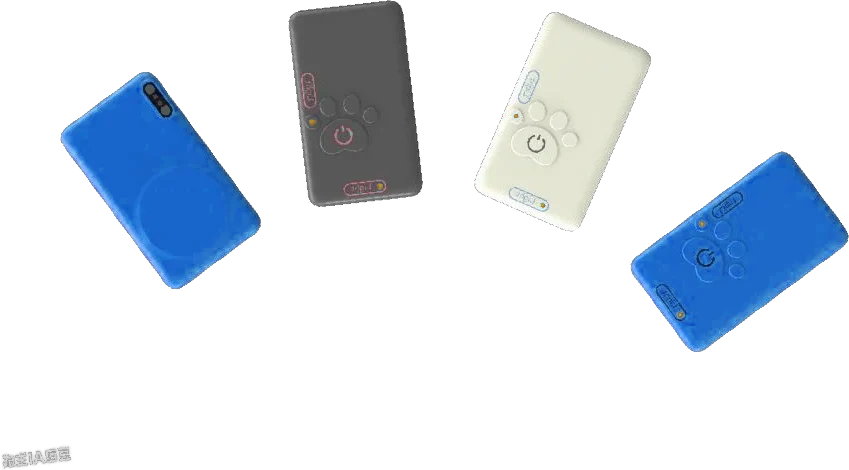
Run both. A white-label device validates demand and the app in roughly 4–8 weeks; a custom design, typically 3–4 months to prototype, builds ownership and margin in parallel. Switch volume to the custom track once it passes validation. In both tracks, insist that device data can flow to your own cloud.
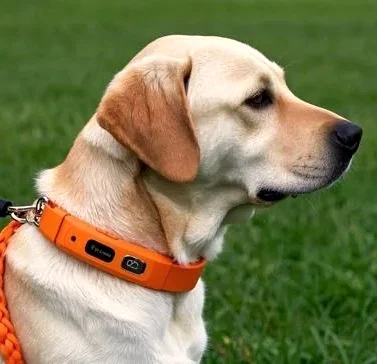
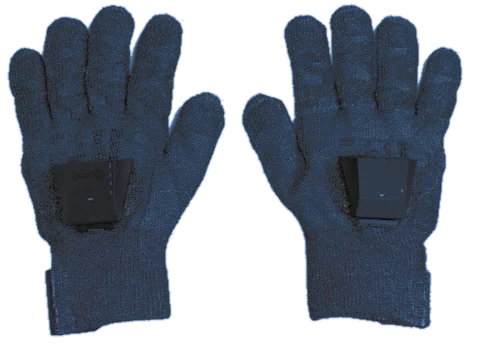
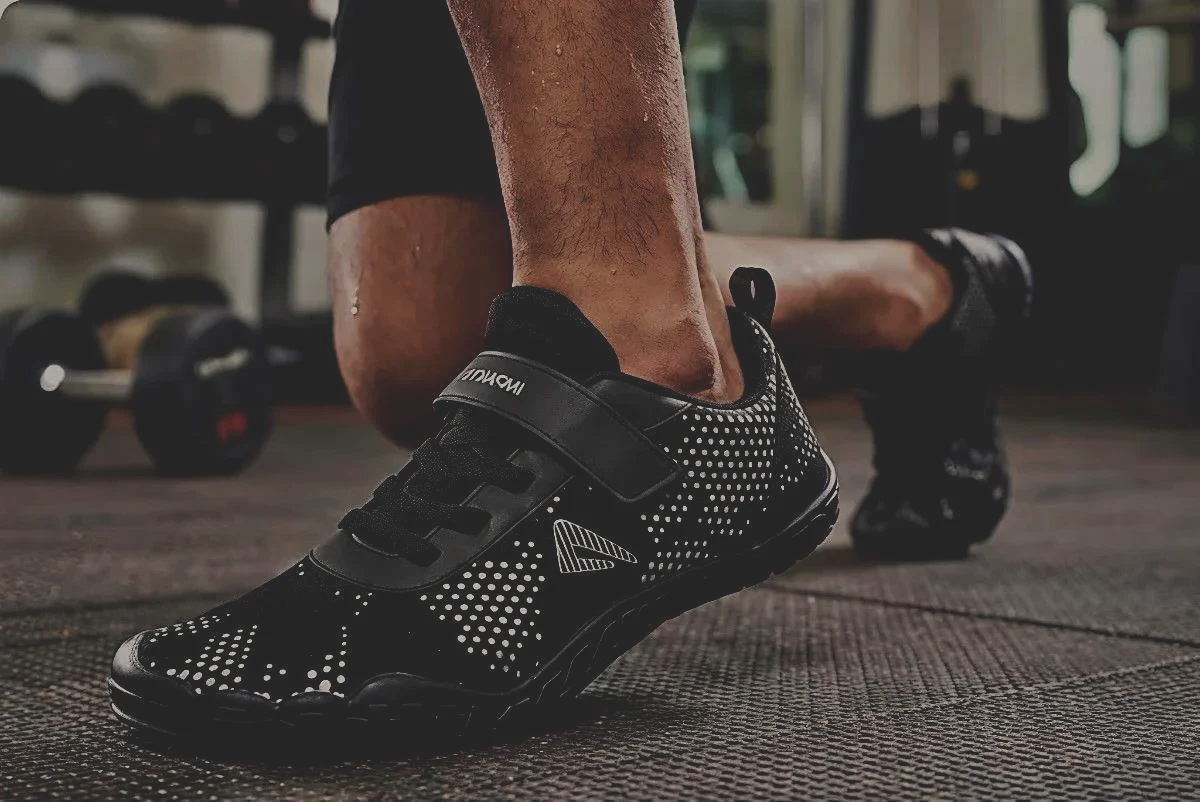
Funded wearable startups usually face a false choice: ship fast on someone else’s product, or own the product and ship late. The better answer is to run both tracks, with a defined switch-over.
The two tracks
| Track A — white-label | Track B — owned design | |
|---|---|---|
| Starting point | A factory’s existing device | A proven reference platform, modified, or a new board |
| Typical time to samples | 4–8 weeks | 3–4 months to working prototype |
| What you change | Branding, firmware configuration, packaging, data routing | Sensing, form factor, power, firmware, enclosure |
| Ownership | Limited; negotiate data and escrow | Full — design files, firmware, calibration |
| Unit economics | Vendor margin built in | Better at volume, NRE up front |
| Role | Validate demand, app and retention | Differentiation and margin |
Volumes that change the answer
A representative pet-health plan: 200–300 units for a pilot, around 1,500 in year one, and 5,000–10,000 in year two. At pilot scale, NRE dominates and white-label wins. By year two, per-unit margin and control of the sensing roadmap favour an owned design. Planning both tracks from day one avoids a rebuild under pressure.
Category notes
Collars and pet wearables. Battery, fit and motion artefacts dominate. Physiological claims such as heart or respiration rate need a reference-validated evidence plan; see the glossary entry on ballistocardiography.
Smart footwear. Durability, washing, charging and unit cost at footwear price points decide feasibility more than sensors do. Start from proven insole or midsole sensor platforms.
Rings and earbuds. Miniaturisation, antennas, batteries and certification make ground-up builds slow and expensive. We take these on only through the existing-platform route: start from a factory’s proven design and change what differentiates you.
The clause that matters most
Whatever the track, require that all device data can be routed to a server you control, that firmware is delivered or escrowed, and that BOMs carry manufacturer part numbers. A device whose data only flows through the vendor’s cloud is a device the vendor controls. See the RFP clauses.
Frequently asked
How long does a white-label wearable take?
Typically 4–8 weeks to branded samples when the base product, firmware and app SDK already exist and changes are limited to branding, packaging, firmware configuration and data routing.
When does a custom wearable make sense?
When the sensing is your differentiation, when volumes justify NRE (often from the low thousands of units a year), or when the white-label vendor cannot give you data, firmware or calibration ownership.
HOLON (2026). White-Label or Custom? A Dual-Track Strategy for Funded Wearable Startups. HOLON-GDE-2026-008, v1.0. https://www.holonai.ai/research/white-label-vs-custom-wearables